




 Dr. Virginia Loewenstine, CEO and Medical Director
Tristate Preventive Health Consultants (TPHC) has built its model around that principle, helping identify potential concerns early. A long-term preventive health partner for employers, it tracks key health markers over time and creates a longitudinal view of employee health that can reveal gradual changes associated with developing a disease. These insights can prompt earlier action and equip physicians with clinical information to support ongoing care.
“We are with employees every year, so we can track their health over time and spot potential concerns early,” says Dr Virginia Loewenstine, CEO and medical director.
As TPHC approaches its 20th anniversary in 2027, it continues to strengthen this preventive care model with expanded screening capabilities, including cardiac calcium scoring, Lp-PLA2 testing, low-dose CT lung scans and multicancer early detection testing. Each new capability supports the overarching goal of helping organizations keep their workforce healthier over the long term, which can reduce health benefit costs and improve overall productivity through less health-related absenteeism.
A Nimble Model of Occupational Health
Serving fire departments, police departments and municipalities among others, TPHC develops customized health programs around each workforce’s needs, risks and budget.
Every employer is provided with a comprehensive list of services, including physical examinations, laboratory testing, diagnostic imaging and occupational health assessments. Leadership teams work closely with TPHC to determine the combination of screenings that aligns with their workforce priorities.
-
We are with employees every year, so we can track their health over time and spot potential concerns early.
When available funding cannot cover all planned screenings in a single year, TPHC designs a phased program that distributes services across multiple years. One year may focus on bloodborne pathogen testing, followed by endocrine or specialty screenings in subsequent years. Over time, employees receive comprehensive preventive care while organizations maintain financial flexibility, keeping the programs practical, sustainable and responsive to changing needs.
The testing process is carefully coordinated. During the initial blood draw, employees receive referrals for imaging and schedule their scans at their convenience. By the time they return for their physical examination a few weeks later, all laboratory and imaging results are available for review. At that visit, Dr. Loewenstine or another staff physician spends approximately 30 minutes reviewing every result with the employee. This dedicated review reflects TPHC’s personalized care model, giving employees time to understand their results before follow-up with their personal physicians.
When abnormalities require immediate attention, TPHC contacts employees directly and promptly shares the results with their physicians.
Expanding Prevention Through Advanced Screening
TPHC continuously evaluates emerging technologies and medical research to determine how new screening methods can strengthen preventive care.
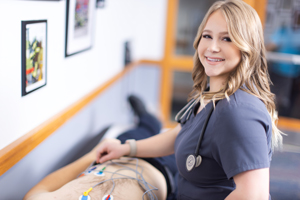 As cardiovascular disease remains one of the leading health risks for firefighters and other public safety professionals, TPHC has introduced cardiac calcium scoring alongside the Lp-PLA2 blood test to strengthen assessments. A cardiac calcium score measures plaque buildup in the coronary arteries. The Lp-PLA2 test evaluates inflammation within arterial walls that may contribute to cardiovascular disease. Together, these assessments provide physicians with a more comprehensive view of cardiovascular risk and an opportunity for earlier intervention.
Respiratory screening has also evolved. Traditional chest X-ray, performed periodically, did not consistently provide details needed to identify early lung abnormalities. TPHC responded by adding low-dose CT lung scans to its services. The technology has already helped identify small lung lesions that can now be monitored before they progress into serious conditions.
Its multicancer early detection testing can identify signals that warrant further investigation. Through this screening, several cancers have already been identified before symptoms developed.
One notable case involved a 42-year-old firefighter whose prostate cancer was detected years before routine screening would have been recommended. It was treated successfully, allowing him to return to work. The program has also identified rare cancers affecting the appendix and cornea.
“We try to stay on top of new offerings, new technologies and new ways to screen so we can identify health concerns early,” says Loewenstine.
Quality That Extends Beyond Clinical Care
Delivering consistent preventive care depends not just on clinical expertise but on the quality of the people, processes and partners supporting every stage of the program. Operating as a virtual organization, TPHC collaborates with trusted laboratories and radiology providers for specialized testing. These providers are carefully vetted for quality and reliability to ensure they meet TPHC’s clinical standards.
The same attention applies to internal staff. For example, technicians conducting pulmonary function tests complete a rigorous NIOSH-approved PFT course, before performing assessments. Continuous learning also remains central, with the team regularly evaluating new research, screening technologies and clinical guidelines to strengthen preventive care.
Looking ahead, TPHC is expanding its team with physician assistants and nurse practitioners and exploring the addition of more physicians to support its growing work with fire departments. Much of this growth comes through word of mouth, with departments recommending its services to others.
Tristate Preventive Health Consultants remains committed to the personalized care that has shaped its reputation. By remaining nimble and relationship-focused, it aims to continue delivering preventive healthcare that evolves alongside the people it serves.

